


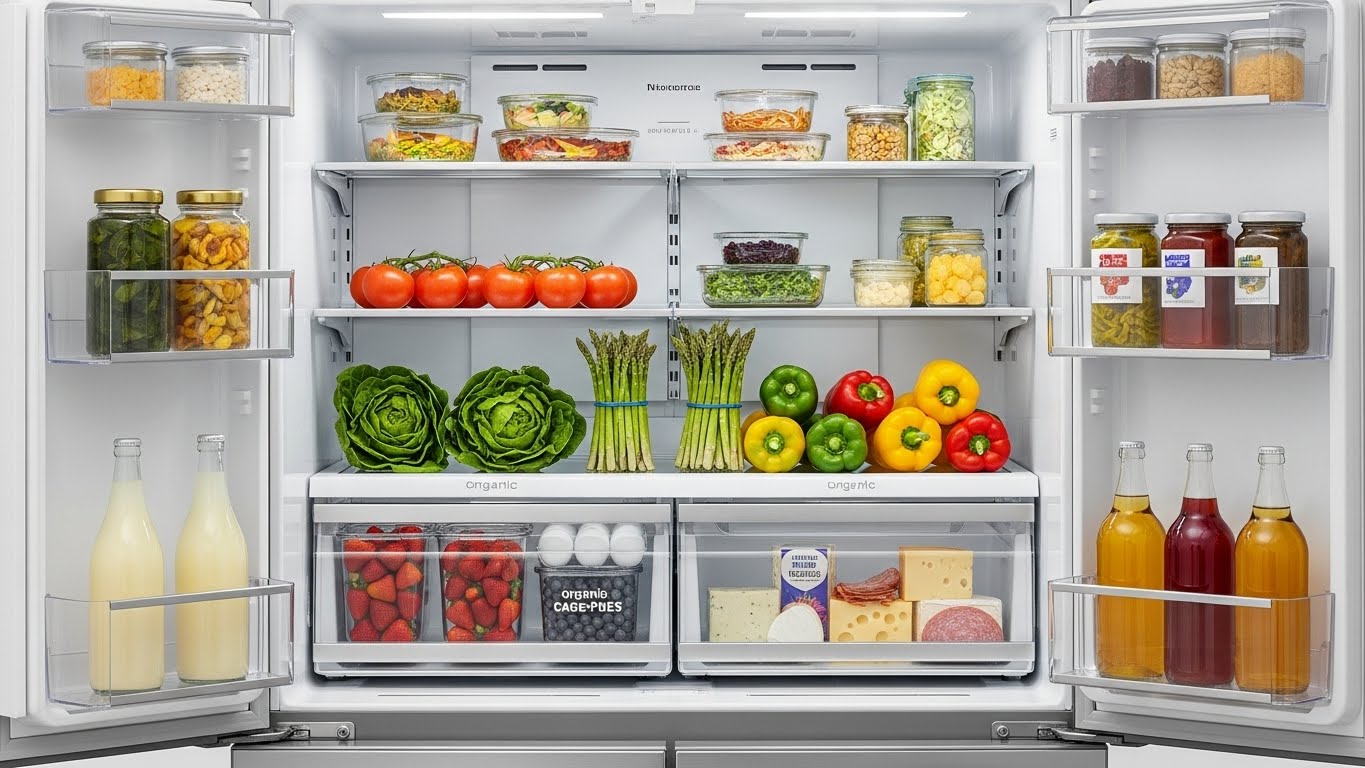
How to Keep the Refrigerator Clean and Organized
A clean, organized fridge makes meal prep faster, reduces food waste, and helps protect your family from germs. If your refrigerator feels “out of control,” this simple routine will get it back to fresh, functional, and easy to maintain.
Why Refrigerator Cleaning Matters for Health
Your refrigerator is where you store ready-to-eat items, leftovers, produce, and raw proteins. When spills sit too long or food expires unnoticed, bacteria can spread and odors build up. A consistent refrigerator cleaning routine supports food safety, improves fridge hygiene, and helps your groceries last longer.
High-intent keywords to naturally match this topic: refrigerator cleaning tips, how to clean a fridge, fridge organization, food safety, refrigerator odor removal, deep cleaning kitchen, weekly cleaning routine.
The Quick Reset: Clean Your Fridge in 30–45 Minutes
Start with a fast reset. The goal is to remove expired items, sanitize surfaces, and put everything back in a way that keeps your fridge organized for the week.
Keeping your refrigerator clean isn’t just about aesthetics, but also about health. Start by emptying everything: throw away expired food and wash containers. Use a damp cloth with neutral detergent to clean shelves, drawers, and interior walls. Avoid abrasive products—they can damage the finish.
Step 1: Empty Everything and Check Expiration Dates
Remove all food, condiments, and bins. Toss expired products and anything with questionable smell or texture. Wipe sticky bottles and rinse reusable containers before returning them to the fridge.
Step 2: Clean Shelves, Drawers, and Interior Walls
Take out removable shelves and drawers if possible. Wash them with warm water and a gentle dish soap (or neutral detergent). Wipe the interior walls, corners, and edges where crumbs and spills hide. For stubborn residue, a paste of baking soda and warm water can help lift grime without scratching.
Step 3: Don’t Forget the Door and Rubber Seals
The door shelves collect drips from sauces and drinks. Wipe them carefully and clean the gasket (rubber seal) around the door—this area traps moisture and can lead to odors. A clean seal also helps the refrigerator run efficiently.
How to Organize Your Refrigerator Like a Pro
Once everything is clean, organization is what keeps it that way. Use simple zones so you always know where items belong.
- Top shelf: ready-to-eat foods, leftovers, drinks, snacks
- Middle shelf: dairy, eggs, deli items (keep everything contained)
- Bottom shelf: raw meat, poultry, and seafood (use a tray to prevent leaks)
- Crisper drawers: separate fruits and vegetables when possible to slow spoilage
- Door shelves: condiments and drinks (avoid storing milk here if your fridge door warms quickly)
Pro tip: Use clear bins and labels (e.g., “Kids Snacks,” “Lunch,” “Meal Prep”) to reduce digging and prevent forgotten items. This is one of the easiest fridge organization hacks for busy weeks.
Weekly Maintenance to Keep Your Fridge Fresh
You don’t need to deep clean every week. A 5-minute routine prevents odors and keeps things under control:
- Scan for expired food every 3–7 days.
- Wipe small spills immediately (especially under produce and sauces).
- Rotate leftovers to the front so they get eaten first.
- Keep a small open box of baking soda inside for refrigerator odor removal.
For best food safety, keep your fridge temperature between 37°F and 40°F (3°C to 4°C).
Common Mistakes to Avoid
- Using abrasive sponges or harsh chemicals: they can scratch surfaces and damage finishes.
- Overcrowding shelves: cold air can’t circulate, which affects cooling and freshness.
- Storing raw meats above other foods: always keep them lower to avoid drips and cross-contamination.
- Ignoring the seals and handles: high-touch spots can hold germs and grime.