


How to Safely Clean Walls and Baseboards
Keeping a home truly clean goes far beyond vacuuming floors and wiping countertops. Walls and baseboards are some of the most overlooked areas in house cleaning, yet they collect dust, stains, scuff marks, pet hair, and everyday grime over time. When these surfaces are ignored, even a well-organized house can start to look dull and neglected. The good news is that with the right methods, you can safely clean walls and baseboards without damaging paint, trim, or finishes.
If you have ever wondered how to clean walls safely or how to clean baseboards without leaving streaks, this guide will help you do it the right way. A few simple techniques can make a major difference in the appearance of your home and help maintain a fresher, brighter environment.
Why Cleaning Walls and Baseboards Is Important
Walls and baseboards are exposed to more buildup than many homeowners realize. Dust settles along trim, fingerprints collect near switches and hallways, and scuffs appear in high-traffic areas. In homes with kids or pets, the buildup can happen even faster. Regular wall cleaning and baseboard cleaning improve the overall look of your home, reduce allergens, and help preserve painted surfaces over time.
This is especially important if you are preparing for guests, moving in or out, doing seasonal deep cleaning, or simply trying to maintain a polished home cleaning routine. Clean walls and bright baseboards instantly make a room feel more cared for.
Before You Clean: Start with the Right Preparation
Before cleaning, remove dust with a duster or vacuum cleaner. Use a soft sponge with neutral detergent and test first on a small area. Avoid excess water, especially on painted walls.
This step is essential because dust can smear once it gets wet, making the wall look worse instead of better. It is also important to use gentle products. Harsh chemicals, abrasive scrubbers, or too much moisture can damage paint and leave permanent marks.
Best Tools to Clean Walls and Baseboards
Using the right supplies makes the process safer and much more effective. A microfiber cloth is ideal for dusting and wiping delicate surfaces. A vacuum with a brush attachment can help remove loose dust from corners, trim, and textured walls. For washing, use a soft sponge, warm water, and a mild or neutral detergent. Keep a dry towel nearby to remove any extra moisture right away.
Avoid steel wool, magic erasers on delicate paint without testing first, or strong degreasers unless the surface clearly requires them and you have confirmed they are safe.
How to Safely Clean Painted Walls
Start at the top of the wall and work your way down. This prevents dirty water from dripping onto areas you already cleaned. Gently wipe using a damp sponge rather than a soaking wet one. For light marks, soft circular motions usually work well. For stubborn areas, do not scrub aggressively. Instead, go slowly and recheck the finish as you clean.
One of the best wall cleaning tips is to always dry the area with a clean cloth after wiping. This helps prevent streaking and protects the paint. When done correctly, deep cleaning walls can restore a room’s fresh appearance without causing damage.
How to Clean Baseboards Like a Professional
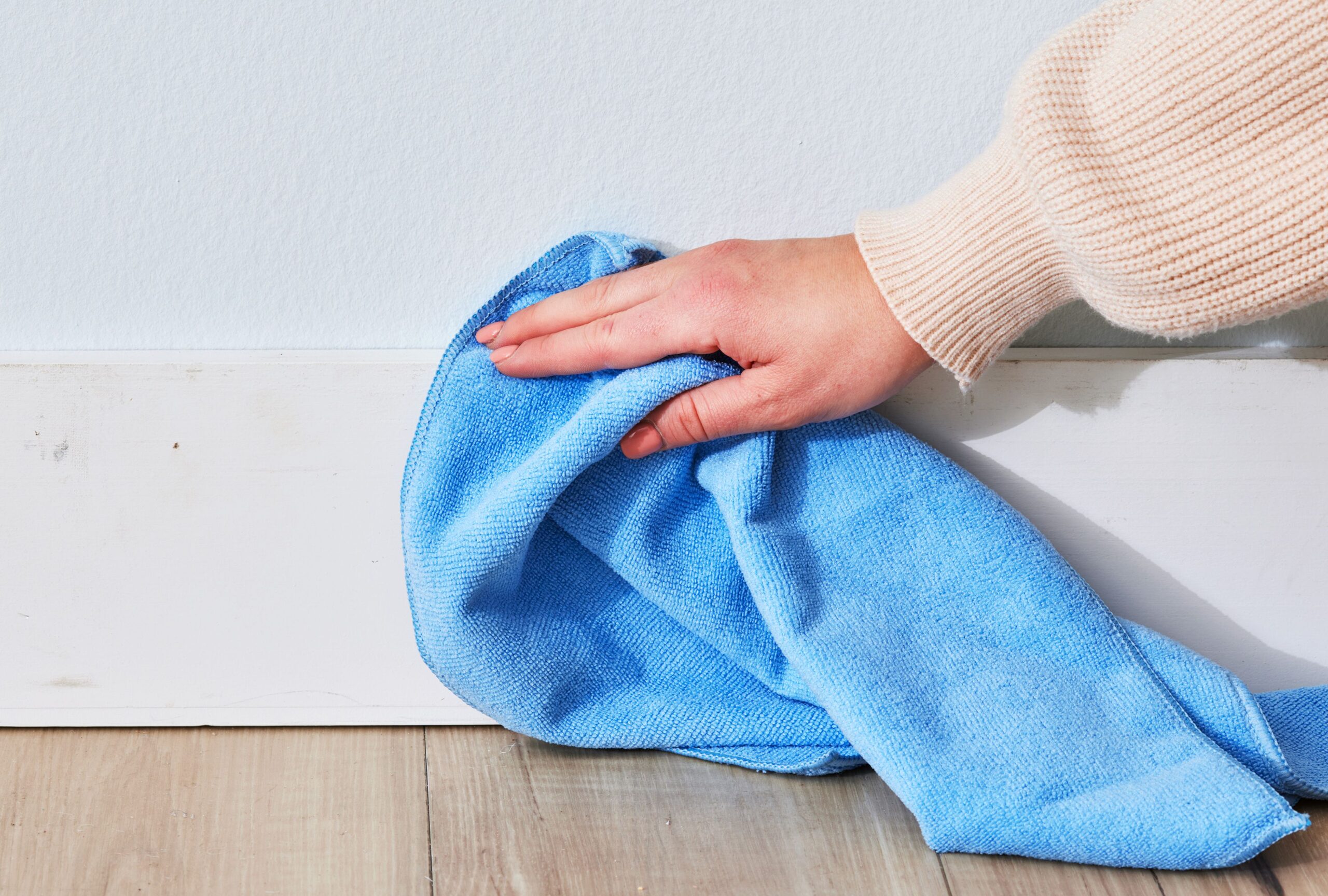
Baseboards often trap more dirt than walls because they sit close to the floor and collect dust every day. Begin by vacuuming or dusting thoroughly. Then wipe them with a damp microfiber cloth and mild cleaning solution. Pay special attention to corners, edges, and entryways where buildup is usually heavier.
If you notice scuff marks, test a gentle method first before trying anything stronger. The goal is to remove dirt while keeping the finish intact. Consistent baseboard cleaning helps your entire home look sharper and more professionally maintained.
Common Mistakes to Avoid
One of the biggest mistakes people make is using too much water. Excess moisture can damage painted walls, seep into trim, and leave streaks. Another common error is skipping the dusting step, which only spreads dirt around once cleaning begins. Using harsh products, rough scrubbers, or too much pressure can also wear down paint and dull the surface.
If you want the best results, stay gentle, test first, and keep your cleaning method simple and controlled.
Final Thoughts
Learning how to clean walls and baseboards the right way can instantly improve the appearance of your home. These areas may seem like small details, but they make a big visual impact. With the right tools, a gentle approach, and regular maintenance, you can keep your walls fresh, your baseboards bright, and your home looking truly clean.
When building a smart home cleaning routine, do not skip these often-forgotten surfaces. Sometimes the details make all the difference.