


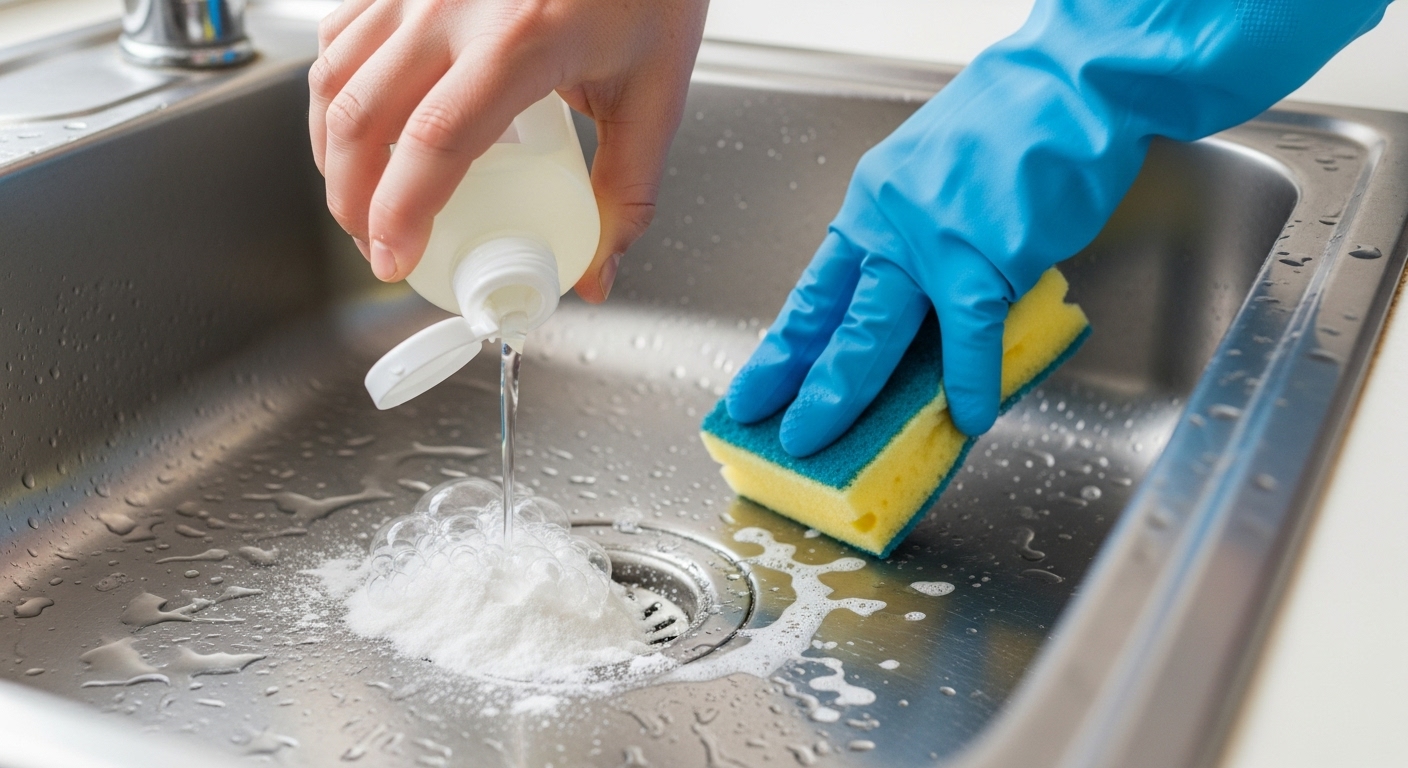
How to Use Vinegar and Baking Soda for Cleaning
More homeowners are looking for natural cleaning solutions that are effective, affordable, and safe for their families. Vinegar and baking soda have become two of the most popular ingredients in eco-friendly home cleaning, and for good reason: they are powerful, versatile, and easy to use.
These two ingredients are versatile for eco-friendly cleaning. Vinegar disinfects and eliminates odors, while baking soda removes stains and acts as a mild abrasive.
In this guide, you’ll learn how to properly use vinegar and baking soda for cleaning different areas of your home — and how to avoid common mistakes that reduce their effectiveness.
Why Vinegar and Baking Soda Are So Popular for Cleaning
One of the biggest advantages of natural cleaning products is their simplicity. Unlike chemical cleaners, vinegar and baking soda are non-toxic, inexpensive, and widely available.
They are especially popular among people searching for:
- green cleaning tips
- natural house cleaning solutions
- non-toxic cleaning products
- eco-friendly cleaning hacks
When used correctly, these ingredients can replace many commercial cleaners without sacrificing results.
How Vinegar Works as a Natural Cleaner
White distilled vinegar is acidic, which makes it excellent for breaking down grease, soap scum, and mineral buildup. It is commonly used for:
- Disinfecting kitchen and bathroom surfaces
- Removing odors from drains and trash cans
- Cleaning glass, mirrors, and windows
- Eliminating hard water stains
Vinegar is particularly effective in kitchens and bathrooms, where bacteria and odors tend to build up quickly.
Tip: Always dilute vinegar with water (usually a 1:1 ratio) to protect surfaces and reduce strong smells.
How Baking Soda Cleans and Deodorizes
Baking soda is a gentle abrasive that helps scrub surfaces without scratching them. It also neutralizes odors instead of just masking them.
Common uses include:
- Removing stains from sinks and tubs
- Deodorizing carpets and upholstery
- Cleaning ovens and stovetops
- Freshening refrigerators and trash bins
Because it is mild yet effective, baking soda is ideal for areas that need scrubbing without harsh chemicals.
Can You Mix Vinegar and Baking Soda?
This is one of the most searched questions in home cleaning.
While mixing vinegar and baking soda creates a fizzy reaction that can help loosen dirt in drains or grout, the reaction neutralizes both ingredients. That means the long-term cleaning power is reduced.
Best practice:
Use them separately for most cleaning tasks. Apply baking soda first to scrub, then rinse and finish with vinegar for disinfection.
Where to Use (and Not Use) These Ingredients
Safe surfaces include:
- Tile
- Ceramic sinks
- Stainless steel (with caution)
- Glass
Avoid using vinegar on:
- Natural stone (granite, marble)
- Hardwood floors
- Aluminum surfaces
Understanding where to use these products prevents damage and ensures professional-level results.
Why Eco-Friendly Cleaning Is a Smart Choice
Choosing natural cleaners isn’t just about being eco-conscious. It also improves indoor air quality, reduces chemical exposure, and saves money over time.
For busy homeowners, vinegar and baking soda offer a simple way to keep homes clean without relying on harsh products.
Final Thoughts
Vinegar and baking soda are powerful tools when used correctly. They are proof that simple, natural cleaning methods can still deliver excellent results. Whether you clean your own home or hire professional house cleaning services, understanding these basics helps maintain a healthier living environment.